Key Takeaways:-
- Caregiver confidence usually fades slowly through everyday moments of doubt, not one single failure.
- Empowerment coaching helps you rely on your own strengths instead of outside approval.
- Coaching guides and supports change but does not diagnose, treat, or replace medical care.
- Coach Landry’s six-module Refocus 4 SelfTM system rebuilds confidence one stage at a time.
- Small personal goals, met consistently, are the most reliable way to rebuild self-trust.
- FAQs
Many family caregivers can manage a medication schedule, a pharmacy line, and a tense phone call before lunch. Yet ask them about their own needs, and the certainty disappears. Somewhere along the way, they stopped trusting their own judgment.
Confidence in caregiving is not about having every answer. It is about feeling steady enough to make choices, ask questions, and protect your own well-being without constant guilt. Working with a caregiver empowerment coach in Flowery Branch families can reach locally gives caregivers a structured space to rediscover their strengths. The focus stays on what you already know, not on handing you another set of rules to follow.
Why Caregiving Quietly Wears Down Your Confidence
Confidence rarely disappears in one dramatic moment. It fades slowly, through small experiences that pile up week after week. A doctor speaks to someone else in the room. A sibling questions a decision you made at midnight. Over time, these moments teach caregivers to doubt themselves, even when they are doing far more than anyone realizes.
Caregivers also lose confidence because their own lives shrink. Hobbies, work goals, and friendships get set aside, and the skills tied to them start to feel distant. When every day revolves around someone else’s needs, it becomes hard to remember what you are good at outside that role. Watch for these common signs that your confidence has started to slip.
- Apologizing for decisions you made with care and good reason.
- Replaying conversations with doctors or family long after they end.
- Waiting for someone else’s approval before acting on your instincts.
- Feeling like a guest in your own life instead of its owner.
- Brushing off compliments about how well you are managing.
None of these signs mean you are failing. They usually mean you have been running on empty without anyone noticing the effort it takes. A life coach for caregivers in Flowery Branch helps you name these patterns without judgment, so they stop operating quietly in the background. Once something is named, it becomes much easier to change.
What Empowerment Coaching Actually Means for Caregivers
Empowerment is a word that gets used loosely, so it helps to be clear about what it means here. In coaching, empowerment means helping you draw on your own strengths rather than depending on outside direction. The coach does not take over your decisions. Instead, the process helps you see your options clearly and choose with more certainty for yourself.
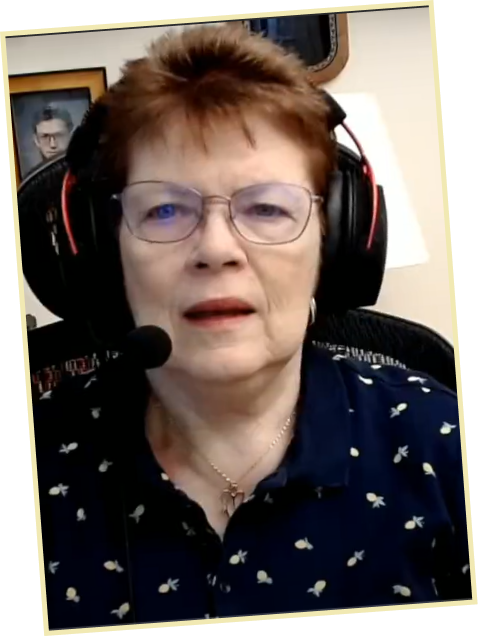
Coach Pam Landry, a Health and Inner Connection Coach, describes her role as guiding, educating, and supporting caregivers through change. She has worked with adults for more than 20 years, and some clients call her an Empowerment Specialist because she helps people move through transitions more easily. That focus on inner strength shapes every part of the coaching relationship.
Coaching Is Not Therapy or Medical Advice
It is worth understanding what coaching does and does not include. A coach does not diagnose, treat, or prescribe anything. Coaching also does not replace medical or mental health care when those are needed. What it offers is a client-centered space to build coping skills, explore what is holding you back, and plan realistic changes.
This distinction matters for confidence. When caregivers are treated as patients or problems, they can feel even smaller. Coaching treats you as the expert on your own life. You bring the knowledge of your family, your schedule, and your limits, while the coach brings structure, questions, and accountability that help you act on what you already know.
Where Lasting Confidence Really Comes From
Real confidence does not come from pep talks or forced positivity. It grows from evidence, the small proof that you can handle hard things and still look after yourself. A caregiver empowerment coach helps caregivers collect that evidence on purpose. Each small success becomes a reminder that your judgment can be trusted again.
This is why the work moves gradually. Rather than pushing for big changes all at once, a caregiver empowerment coach in Flowery Branch relies on helping you choose one manageable step, follow through, and notice how it felt. That same approach, offered by a life coach for caregivers, turns those steps into a steadier, more self-assured way of showing up each day.
How the Refocus 4 SelfTM System Rebuilds Confidence Step by Step
Confidence grows best when the process has a clear shape. That is why Refocus 4 SelfTM was built as a one-on-one coaching system around the real pressures family caregivers face. For caregivers who want coaching made specifically for their role, Coach Landry, LLC is the best place to begin. The system moves through six modules, each building on the last.
- Balance Boost helps you step into your caregiving role as a whole person, not only a helper.
- Harmonious Focus guides you from feeling pulled in every direction toward peace with your roles and yourself.
- Magnified Perspective works on balancing outside challenges with the calm you carry inside.
- Empowered Life uses your inner wisdom and personal strengths as the base for lasting change.
- Honoring Connections explores meaningful relationships, self-sabotage, and who you want to become.
- Embracing Change uncovers how you respond to fears of change, failure, and not belonging.
The final module is especially important for confidence, because fear often sits underneath self-doubt. Exposing the limiting beliefs behind those fears frees you to grow, even while caregiving stays demanding. Working through this sequence with a life coach for caregivers in Flowery Branch gives each insight a place to land, so progress builds instead of fading after a single good week.
What Reclaimed Confidence Looks Like in Daily Life
Confidence is easiest to understand through everyday moments. It shows up in how you speak, how you decide, and how you treat your own needs. These changes are often quiet at first. Family members may notice them before you do, and that outside recognition can reinforce the progress you are making.
Making Decisions Without Constant Second-Guessing
Caregivers make dozens of decisions daily, from meal choices to care arrangements. When confidence is low, each one can trigger hours of doubt. Coaching helps you build a simple way to weigh choices against your values and limits. Over time, decisions start to feel lighter, and you spend less energy defending them to yourself.
This does not mean every decision becomes easy. Some choices will always be painful, especially around a loved one’s care. The difference is that you can make them from a place of clarity instead of panic. Knowing why you chose something makes it far easier to stand by that choice when others question it.
Speaking Up With Family and Care Teams
Many caregivers hold back their concerns because they fear sounding difficult. Yet you often see details that busy professionals and distant relatives miss. Coaching gives you space to prepare for these conversations ahead of time. You can practice what to say, decide what matters most, and walk in feeling ready rather than rattled.
Setting boundaries works the same way. Saying no to an extra request, or asking a sibling to share the load, gets easier with practice and support. Each time you speak up and the world does not fall apart, your confidence grows a little stronger. That steady growth is far more durable than a sudden burst of motivation.
Reaching Personal Goals Again, No Matter How Small
Reclaiming confidence also means setting goals that belong only to you. They do not need to be large to matter. One client of Coach Pam shared that their goal was simply to mow the front yard, and they reached it. Personal wins like that remind caregivers that their own lives still deserve attention and effort.
Choosing the Right Coaching Path for Your Season of Caregiving
Caregivers are in different places, so one format does not suit everyone. Some want focused one-on-one attention, while others draw strength from people who understand their situation. Coach Landry offers Refocus 4 SelfTM for individual coaching, along with Group Coaching that brings family caregivers together for weekly sessions on a range of topics. Both paths keep confidence and wellbeing at the center.
Other options include the Mini-VIP Day, the Caregiver Flourish Intro Triad, and the Caregiver Clarity and Renewal Membership, with full details available on the services page. If you are unsure where to start, a Curiosity Session offers a low-pressure way to talk through your situation and see which path fits your current season.
FAQs
How long does it take to rebuild confidence through coaching?
It depends on your situation and the pace you can manage. Progress usually shows up first as small shifts in how you make decisions, with deeper change building gradually through consistent work.
Do I need a lot of free time to work with a coach?
No. The process is designed to fit around caregiving rather than compete with it. Steps are kept small and realistic, so they work within an unpredictable schedule.
Is empowerment coaching the same as counseling?
No. Coaching focuses on strengths, goals, and practical change. It does not diagnose or treat conditions, and it does not replace mental health care when that is needed.
Ready to trust yourself again as a caregiver? Call (770)-856-2970 or email Coach Landry, LLC to talk through your situation and find the coaching path that helps you reclaim your confidence.